Karachi Style Mahjong Rules
Learning Mahjong with Monty
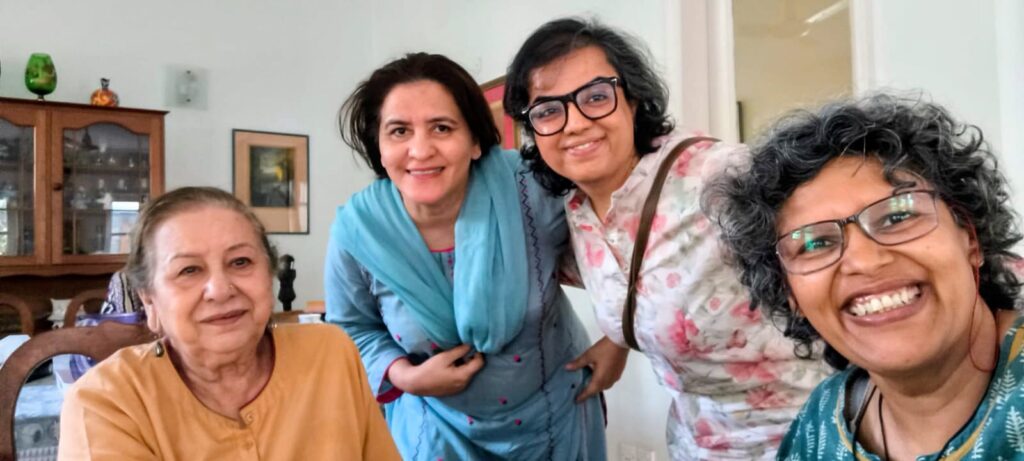
In November 2024, I began learning Mahjong with a group of women. Every Wednesday, Laila, Fiza, and I attended two-hour lessons followed by high tea. It quickly became clear that this is a deeply social game, and I soon convinced my friends Rabia and Rabea to join us.
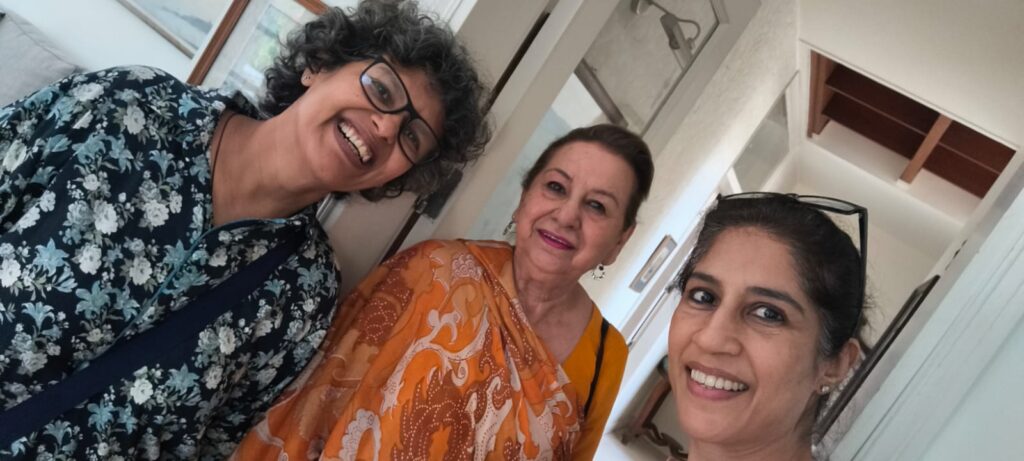
Our teacher, Mrs. Mumtaz Kadri, fondly known as Monty, has been playing Mahjong in Karachi for over fifty years. My first day was no gentle introduction; it was a plunge straight into the game. I remember coming home completely drained and that was just day one.
From what I’ve gathered through her, Karachi-style Mahjong appears to have evolved from a blend of Mumbai and Western/British-style play.
The researcher in me struggled with the fact that nothing Monty taught us was written down. Everything was passed from teacher to student. When I began, I assumed there were only one or two standard ways to play Mahjong. I quickly realized that what we were learning were “house rules on steroids.”
You won’t find this version in books, but you will find many older Karachi players still playing this way.,
At its core, Karachi-style Mahjong is defined by a few distinctive features:
Before getting into the rules, it helps to understand that Karachi-style Mahjong does not exist in isolation. Many of its hands overlap with those found in Western systems such as Thompson–Maloney’s The Mahjong Player’s Companion, but often under different names. This can make it confusing for players who try to use the book as a reference. Later in this post, I’ll show how some of these hands map across the two systems.
The Four Winds in Karachi Style Mahjong
One of the defining features of Karachi-style Mahjong is that the rules shift by round. Each wind has its own structure, which changes the kinds of hands you can build and the way the game feels at the table.
🀀 East Wind – The Honor Hand
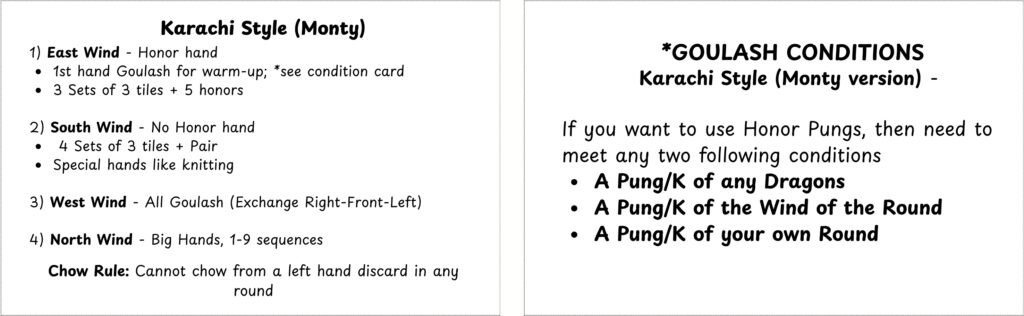
🀁 South Wind – No Honor Hand
This round strips things back to the basics
🀂 West Wind – All Goulash
Goulash Conditions
If you want to use the Honor Pungs (triplets or Kongs of Winds or Dragons), you must meet any two of the following conditions:
💡 Example: If you’re East in a South round and you make Pungs of Red Dragons and South Winds, you’ve satisfied two conditions and can freely use Honor Pungs.
🀃 North Wind – Big Hand Only
North is the most ambitious round of the cycle
Karachi Style and Thompson–Maloney: How the Hands Overlap
One of the surprises of learning Karachi style was realizing that many of the hands were not entirely unique. Several of them also appear in Patricia Thompson and Betty Maloney’s The Mahjong Player’s Companion—just under different names.
That means Karachi players consulting the book may miss familiar hands unless they know what to look for. The mapping below helps connect local Karachi names with their Thompson–Maloney equivalents.
| Thompson–Maloney | Karachi Style |
|---|---|
| Big Robert | Pinkys |
| Seven Twins | Dirty Pairs |
| Gates of Heaven | Wriggly Snake v2 |
| Unique Wonder | Monty Unique Wonders |
| White Opal | Lilly of the Valley (Monty ver) |
For a fuller cross-reference by round, download the Karachi–T&M Hand Mapping (PDF) .
Treatment of Chows (sequence)
My least favorite house rule in the Karachi Style is that you can NEVER “chow” a tile discarded by the player on your left.
In nearly every other style I have read about, including Chinese, Hong Kong, Taiwanese, Western systems, a player may take the left player’s discard to complete a sequence such as 3-4-5 or 6-7-8.
That rule makes the game faster and more aggressive. Players watch discards closely, expose their hands earlier, and often go out more quickly, sometimes blocking someone else from building a higher-scoring hand.
In Karachi Style, that option is completely removed. You may only chow using tiles you draw yourself, never from the player to your left’s discard.
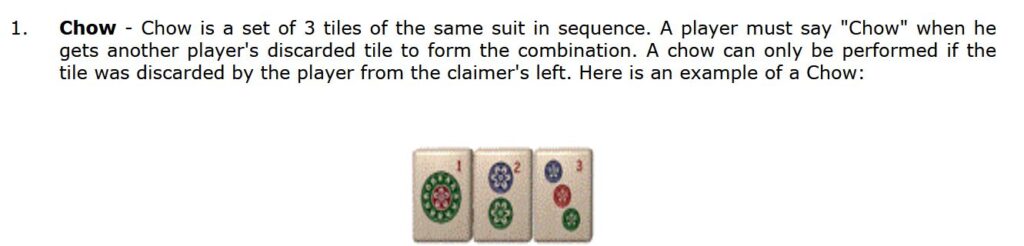
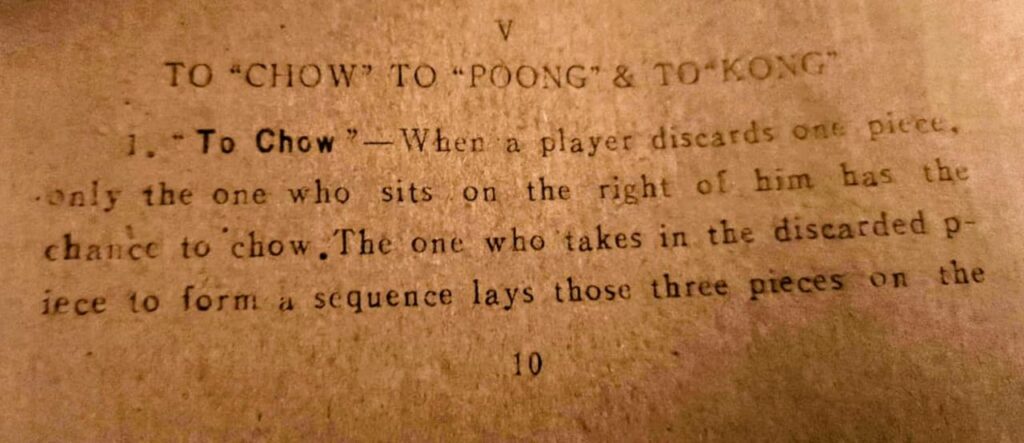
Chow rules in a rule book that came with my old bamboo and bone mahjong set. It also allows chowing from the left.
💡 Why It Matters
This single rule changes the rhythm of the game. By removing the ability to chow from the left, Karachi style reduces reactive play and forces players to rely on what they draw rather than what they can claim.
As a result, the game becomes more deliberate and defensive. Hands remain hidden longer, making it harder for opponents to read your strategy or adjust their discards.
Instead of speed and opportunism, the game rewards observation, memory, and restraint.
📍Try it Yourself
Next time you gather friends for a game, set aside one full session for Karachi-style rules. Start with East Wind, play the goulash round, and pay attention to how the rhythm shifts—what you can build, what you must let go, and how differently the game unfolds.
And if this is already your default style, try stepping outside it occasionally. Playing a different system, even for a few rounds, will sharpen your instincts and deepen your understanding of the game.
This was amazing! Had no idea she was called Monty 😂
Indeed.. that’s her name in the mahjong world here. There is even a hand dedicated to her which has a pair of dragons in it. Soooo apt for our very own Dragon lady 😀
Fantastic. Super proud of my mama Monty
So happy to have a written guide for the Karachi style of play! Super helpful
All thanks to Monty Aunty for giving us fabulous lessons and passing her love for mahjong to us ❣️