Karachi Style Mahjong Rules
Learning Mahjong with Monty
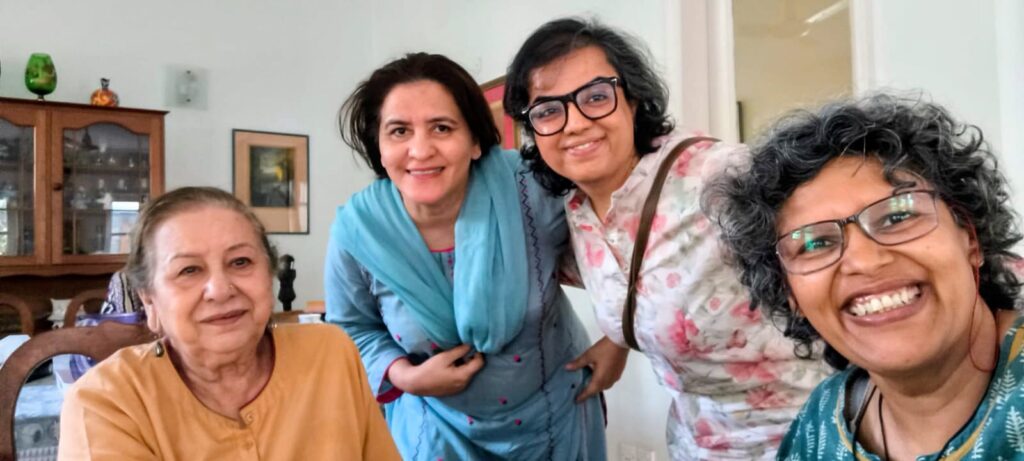
In November 2024, I began learning how to play Mahjong with a group of women. Every Wednesday, Laila, Fiza, and I would dutifully attend our two-hour lessons, followed by high tea. Realizing what a community game this is, I soon convinced my friends Rabia and Rabea to start learning as well.
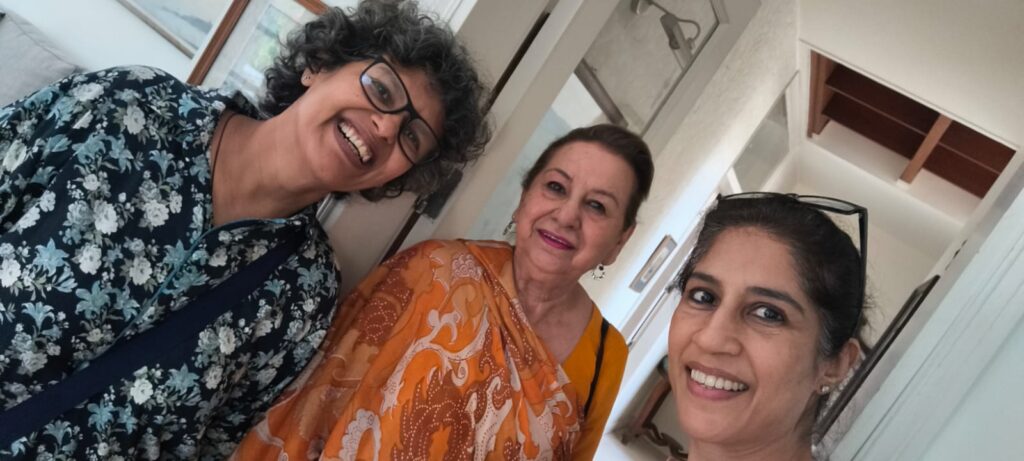
Our teacher, Mrs. Mumtaz Kadri, fondly known as Monty, has been playing Mahjong in Karachi for the past fifty years. The first day I played was a true rite of passage. It was not a gentle introduction, but a plunge straight into the fire. I remember slinking home afterward and collapsing into bed, completely drained of energy… and that was just day one!
Mumtaz Aunty, as we affectionately call her, started playing in the 1970s. From the little tidbits I’ve gathered from her, it seems the Karachi style of Mahjong evolved from a blend of Mumbai style and Western style play.
The researcher in me struggled with the fact that nothing Monty taught us was written anywhere. It was all passed down by word of mouth from teacher to student. When I began learning, I was naïve enough to think there was only one, or at most two, ways to play Mahjong. I hadn’t realized that what we were learning were “house rules on steroids”. You won’t find this version mentioned in any book, but you will find plenty of older Karachiites still playing this way.
The essence of Karachi style Mahjong is the following:
🀀 East Wind – The Honor Hand
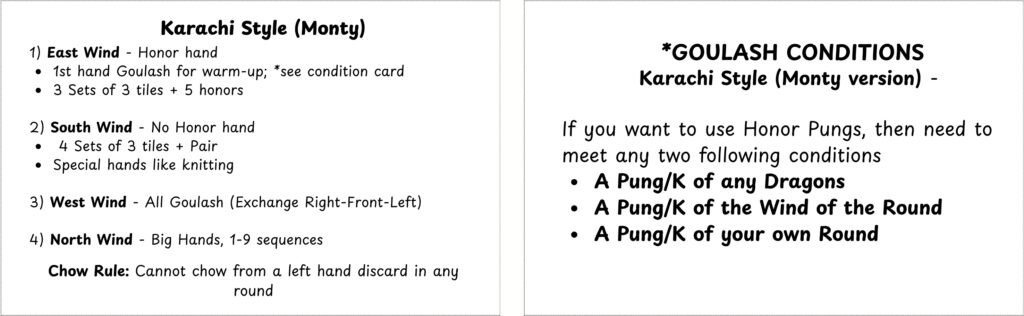
🀁 South Wind – No Honor Hand
This round strips things back to the basics
🀂 West Wind – All Goulash
🀃 North Wind – Big Hand Only
The finale of the cycle call for ambition
Goulash Conditions
If you want to use the Honor Pungs (triplets or Kongs of Winds or Dragons), you must meet any two of the following conditions:
💡 Example: If you’re East in a South round and you make Pungs of Red Dragons and South Winds, you’ve satisfied two conditions and can freely use Honor Pungs.
Treatment of Chows (sequence)
My least favorite house rule in the Karachi Style is that you can NEVER “chow” a tile discarded by the player on your left. In every other style I have read about (Chinese, Hong Kong, Western), you are allowed to take a tile discarded from the player on your left to complete a sequence (ie 3-4-5 or 6-7-8, etc).
That rule makes the game faster and more aggressive because players constantly watch the discard pile for tiles to complete chows, and often expose their hands early to go out sooner (often preventing another player from making a higher scoring hand)
But in the Karachi Style, that option is completely off the table. You can only chow using tiles you draw yourself, never from the player to your left.
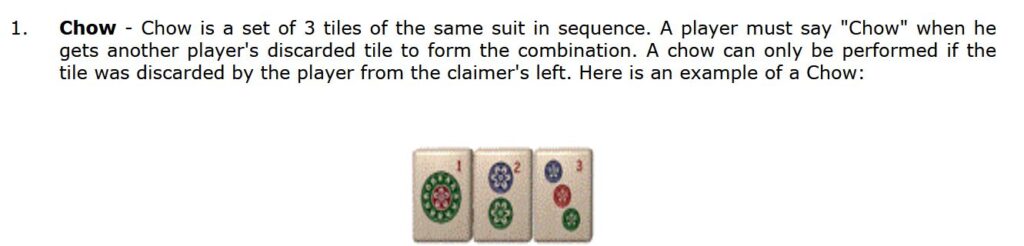
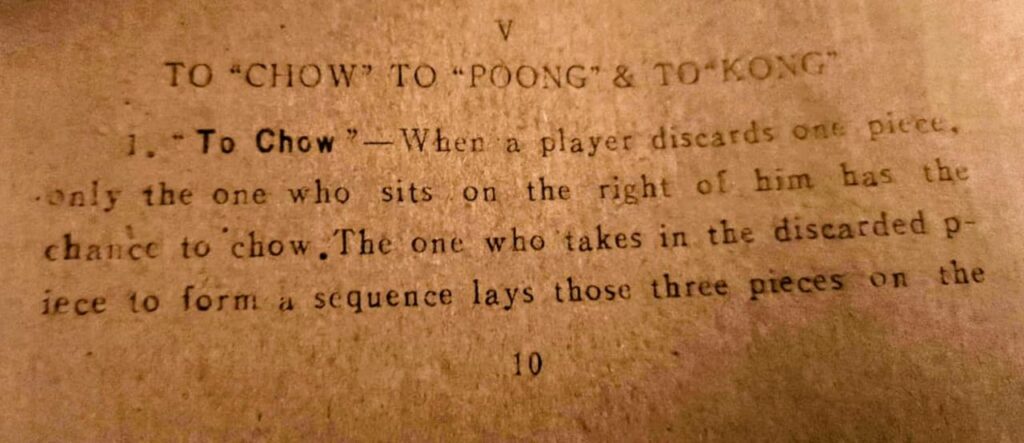
Chow rules in a rule book that came with my old bamboo and bone mahjong set. It also allows chowing from the left.
💡 Why It Matters
This single rule changes the entire rhythm of the game. By preventing chows from the left, Karachi Style changes the flow of the game dramatically by making it far less about a reactive, fast-paced chase into a careful, self-contained hand.
It seems to reward observation, memory and restraint more than opportunistic speed. The game becomes more defensive when your melds stay hidden longer and opponents can’t easily read your hand or adjust their discards. It requires more patience, planning and a little bit of luck.
📍Try it Yourself
Next time you gather friends for a game, dedicate a session to the Karachi Style Rules. Start with East Wind, play the Goulash warm-up, and feel the difference. It’s unpredictable, and full of personality, just like the city where it was born.
And if that’s already how you play, consider mixing it up once in a while. After all, variety is the spice of life!
This was amazing! Had no idea she was called Monty 😂
Indeed.. that’s her name in the mahjong world here. There is even a hand dedicated to her which has a pair of dragons in it. Soooo apt for our very own Dragon lady 😀
Fantastic. Super proud of my mama Monty
So happy to have a written guide for the Karachi style of play! Super helpful
All thanks to Monty Aunty for giving us fabulous lessons and passing her love for mahjong to us ❣️